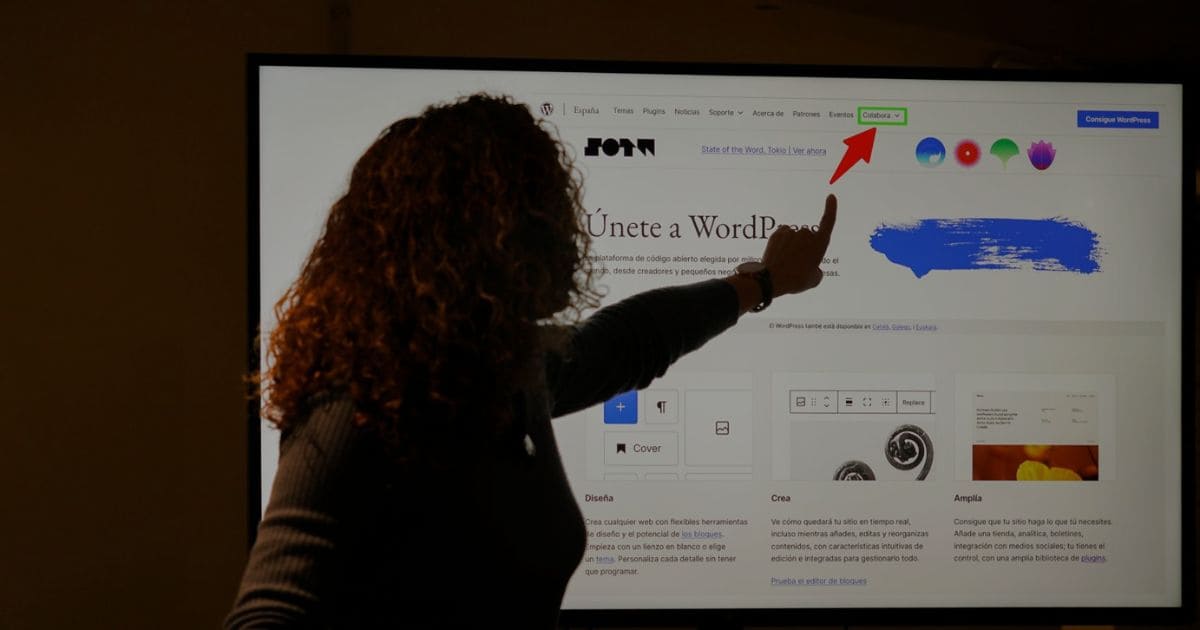

Walking into WordCamp felt like stepping into another universe, one where everyone spoke fluent PHP and I was just there looking for the coffee. People were tossing around terms like “Gutenberg FSE” and “block-based templating” like it was small talk. Meanwhile, I was just trying to grab a third snack without looking like a total newbie.
But then I found my people. Justin cracked jokes about plugin nightmares. Ben gave me a crash course in AI workflows. Matt ranted (passionately) about SEO dying, again. Talia demo’d a Framer site that honestly made me question everything, and Bryan? He had a whole presentation on why WordPress is basically the tofu of the internet, it absorbs whatever flavor you give it. Weird analogy, but it stuck.
Still, somewhere between the tech talks and late-night WordPress rants over beers, the same question kept creeping into my brain:
Is WordPress still worth it?
Not just for hobby bloggers or code wizards, but for freelancers, agencies, people trying to build a business or make a living off client work.
Because let’s be honest: the landscape’s shifting. New tools are popping up. Clients are getting clever And WordPress? Well, it’s not the same old blog engine anymore. So I dug into that question, and what I found actually surprised me.
The Big Shift: What’s Happening to WordPress
Let’s get one thing clear, WordPress isn’t dying.
But it is changing. A lot.
During the WordCamp sessions, I heard this again and again from speakers and developers:
“WordPress is evolving.” At first, I wasn’t sure what that meant. But after listening to all the talks (and some hallway chismis), I noticed three big trends that are shaping the future of WordPress.
1. AI and Automation
There was a time when hearing “AI” made people think robots would take our jobs. But that’s not what’s happening here.
What’s really going on?
AI is helping freelancers. Not replacing them.
You can now use AI to speed up your work:
- Auto-generate SEO content
- Suggest designs
- Even help with basic code
If you know how to use it right, AI becomes your assistant, not your enemy.
2. Block-Based Editing (a.k.a. Gutenberg)
Let’s be honest: when Gutenberg came out, most of us were annoyed. It felt confusing and clunky.
But now? It’s finally maturing.
Full Site Editing (FSE) is the new standard. Themes are getting easier to customize. No more hard-coding every little thing. Even clients can make small edits without calling you for help every 5 minutes. It’s not perfect, but it’s 10x better than before.
3. Other Platforms Are Rising
Yes, tools like Webflow, Shopify, and Framer are becoming popular, especially for designers and product-based businesses. Some clients will ask for these. Some projects might fit better outside WordPress.
But here’s the real stat:
WordPress still powers over 40% of all websites online.
That’s not just a number. It means opportunity is still massive.
So… What’s My Takeaway?
WordPress is changing, but it’s still strong.
If you stay updated, if you adapt and grow with it, it’s still a great tool. Not just for building websites, but for building your freelance career.
The key is not to fear the change.
The key is to move with it.
The Freelancer Dilemma: Stick or Switch?
If you’ve been freelancing for a while, you’ve probably felt it too, things are getting a bit… weird. More clients are trying to build websites on their own. There’s a YouTube tutorial for everything now.
Platforms like Wix and Canva promise to “build a full website in minutes” for the price of one milk tea. And then there’s the competition. You’re not just competing with other freelancers anymore. You’re also competing with AI tools, drag-and-drop builders, and $30 website offers on Facebook Marketplace. So yeah, it’s normal to feel nervous.Why WordPress Still Makes Sense
But here’s the thing: just because more tools exist doesn’t mean WordPress is dead. In fact, it’s still one of the most flexible and scalable tools out there. You can build anything — from a simple portfolio to a full online store, to a massive blog with thousands of pages. And it’s not just for small businesses.
Big brands, like Sony, TechCrunch, and even some government sites, are still using WordPress. Why? Because it works. And because it’s open-source, meaning you can customize it endlessly. Plus, if you add AI into the mix (smart SEO, content creation, automated workflows), your services become even more valuable. You’re not just offering websites. You’re offering results.
Should You Learn New Tools?
Short answer? Yes, but be smart about it. If a client asks for a Webflow site, sure, take the time to learn it. That’s a skill you can charge more for later. But don’t panic and try to learn every single platform out there just because they’re trending. You’ll burn out.
Master your core tool (WordPress) and pick up new ones as needed. That way, you’re growing with purpose, not out of fear.
Don’t Jump Ship, Upgrade Your Ship
It’s tempting to think, “Maybe I should just switch to something new.” But in most cases, that’s not the answer. The real move? Upgrade your current setup./
Level up your WordPress skills. Add AI to your process. Learn how to price better and package your services. Because if you can adapt to where the market is going, WordPress isn’t a sinking ship. It’s just a ship that needs a better engine.
How to Stay Relevant in 2025
So let’s say you’ve decided: “I’m sticking with WordPress, but I want to level up.” Smart move. But just knowing WordPress isn’t enough anymore. The market’s evolving, and to keep getting clients, to keep charging good rates, and to keep doing work you’re proud of — you need to evolve, too.
Here’s how.
Strategy 1: Skill Stacking
Today, being just a “WordPress developer” is like being just a cellphone with call and text — sure, it works, but people are expecting smartphones now. If you want to stand out, stack your skills.
Learn things that go well with WordPress:
- UX/UI design: So your sites not only function well but also look and feel professional.
- SEO: So your client’s site doesn’t just sit pretty but actually ranks on Google.
- Copywriting: So you can help them say the right message to the right audience.
- Automation tools: So you can build smarter workflows and save time.
You don’t need to be an expert in all these. But even knowing a little in each one makes you 10x more valuable. Why? Because most clients don’t want to hire five people. They want one person who can solve five problems. Be that person.
Strategy 2: Embrace Automation
Let’s be real: AI is already here. Ignoring it is like refusing to use GPS because you like reading maps. There are so many simple ways you can start using AI and automation inside your WordPress workflow:
- Use ChatGPT or similar tools to draft blog content or rewrite text.
- Integrate AI SEO tools that suggest better keywords and structure.
- Create smart forms that guide users based on their answers.
- Automate emails or booking confirmations using plugins like FluentCRM.
These tools don’t replace your work; they speed it up, and in many cases, make it better. And when you deliver faster and smarter? You can take on more clients. Or charge more. Or both.
Strategy 3: Rethink Pricing
This one’s big. Too many freelancers are still charging like it’s 2015: “₱3,000 for 5 pages. Extra charge for mobile.” But clients don’t care about “pages.” They care about results.
Ask them what they really want:
- More leads
- More sales
- Higher search rankings
- Faster site performance
- Easier systems so their team isn’t always stressed
When you start packaging your service around outcomes, not pages, you start sounding less like “just a web guy” and more like a business partner.
Example: Instead of saying “₱15k for a 5-page site,” say “₱25k for a lead-generating website built with SEO, fast-loading pages, and easy contact forms that actually convert.” Clients will feel the difference, and they’ll pay for it.
5 Things You Can Do This Week
Okay, that was a lot to take in. But don’t stress, you don’t have to do everything overnight.
Here are 5 simple things you can start this week to future-proof your freelance game:1. Stop panicking, adapt.
First things first: breathe. Yes, the tech is changing. Yes, AI is everywhere. But panicking won’t help. Adapting will. Start by accepting that change is part of the job, and you’re not falling behind, you’re just in the middle of a shift.2. Test AI tools (even if you’re skeptical).
You don’t need to fall in love with AI. Just try it. Use ChatGPT to help brainstorm content. Play with AI image tools or SEO tools. The goal? See where it can save you time or give you an edge.3. Expand your skill set (but stay focused).
Don’t try to learn everything. Pick one or two skills that complement what you already do. Example: If you build websites, learn some SEO or basic UX. If you already do SEO, maybe explore automation. Stack skills like blocks, one step at a time.4. Reframe your offers and pricing.
Look at how you describe your services. Are you selling “a website” or “a lead-generation tool”? Are you charging for pages, or for business impact? Update your packages so they focus on client results, not just deliverables.5. Stay curious and keep learning.
The best freelancers aren’t always the most talented, they’re just the ones who keep learning. Follow blogs, join communities, attend events (even local ones). Stay curious, ask questions, try new things.If there’s one thing I took away from WordCamp, it’s this: You don’t need to know everything. You just need to evolve. Keep solving real problems. Keep learning new things. Keep showing up with value. If you do that, you won’t just survive in 2025, You’ll thrive.
Get in touch
Kick-start your digital presence with a stunning website and engaging visuals today. Find out how we can help you and book an introductory call